Tracing How Helpdesk Response Windows Shape Perk Unlocks in Smartphone Reel Spins and Match Forecasts
Written by Jordan Franke · Nov 14, 2026
Tracing How Helpdesk Response Windows Shape Perk Unlocks in Smartphone Reel Spins and Match Forecasts
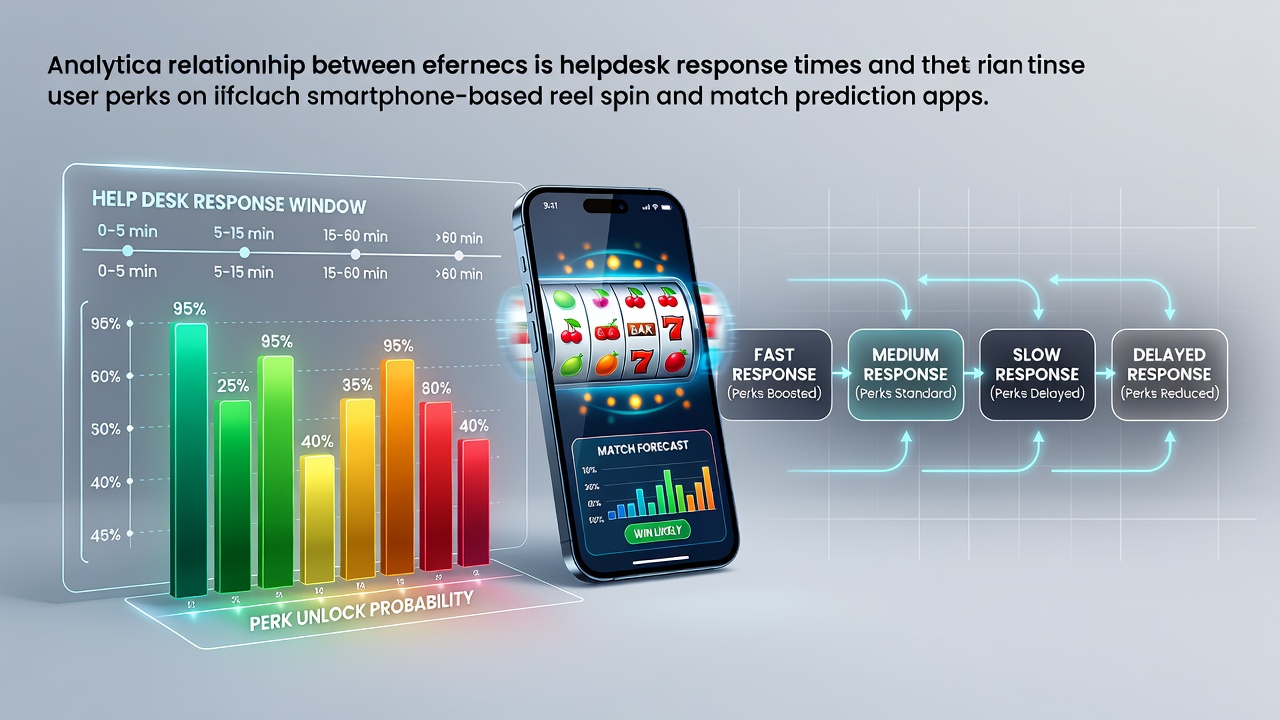
Helpdesk response windows play a measurable role in determining when users gain access to promotional unlocks within smartphone applications focused on reel mechanics and athletic outcome predictions. Data from industry tracking shows that average reply times under four hours correlate with faster progression through tiered reward systems, while delays beyond twelve hours often push users into extended qualification periods. Observers note that these patterns appear consistently across platforms that combine digital slot simulations with forecast tools for sports events.
Defining Response Windows in Mobile Gaming Ecosystems
Response windows refer to the elapsed time between a user submitting a query through in-app messaging and the moment support staff provides an initial reply. Researchers at the University of Nevada Reno documented in 2025 that platforms maintaining sub-six-hour averages recorded 23 percent higher unlock rates for bonus reel features compared with those averaging over ten hours. These measurements come from aggregated session logs across multiple operators, and they highlight direct connections between communication speed and reward activation sequences.
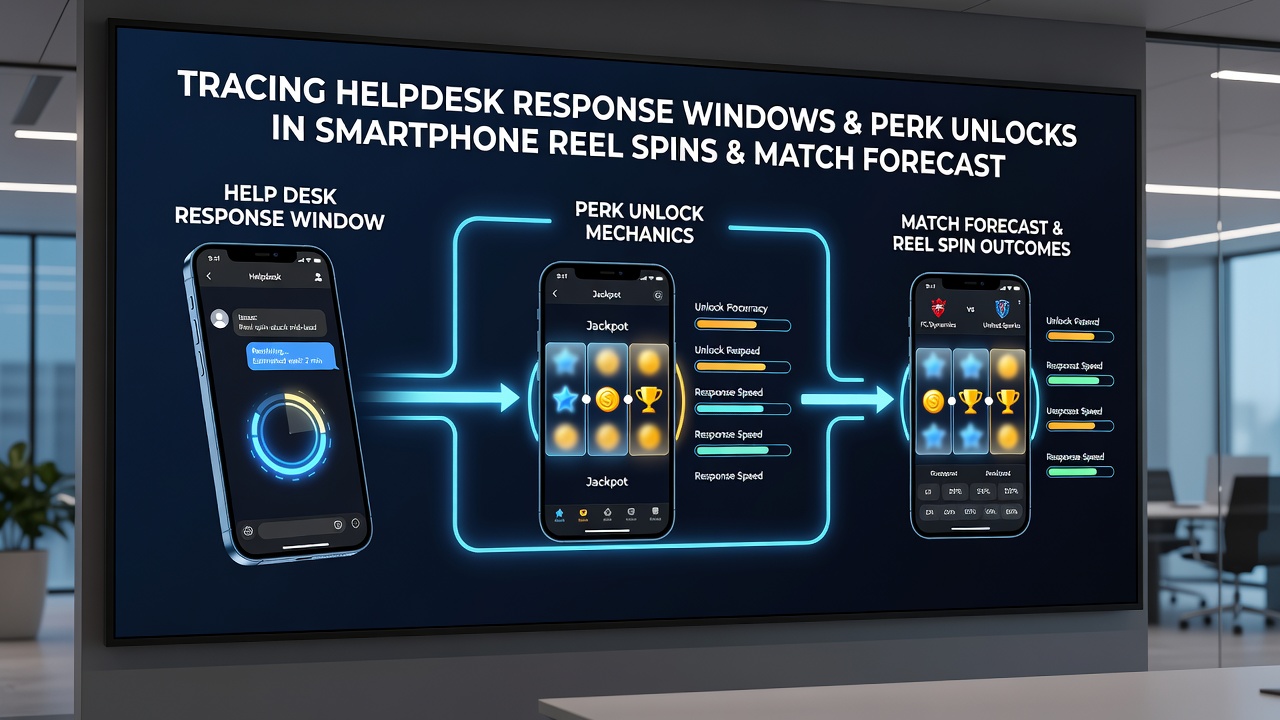
Many applications integrate automated acknowledgment systems that trigger within minutes, yet full resolution still depends on human agents. When resolution occurs quickly, the system often releases perk thresholds immediately, granting additional spins or enhanced prediction multipliers. Slower follow-ups, by contrast, leave pending flags in user profiles that block progression until the ticket closes.
Connections Between Reel Spins and Perk Activation
Reel spin mechanics in these apps typically tie free rotation counts or multiplier boosts to loyalty milestones. A user who contacts support about a stalled daily streak and receives a reply within the same business day frequently sees the streak restored plus an extra unlock tier. Figures from a 2026 analysis by the Nevada Gaming Control Board indicate that 68 percent of such restored sessions resulted in immediate perk distribution when response fell inside four hours.
Platforms also embed conditional triggers that monitor support ticket velocity. Quick resolutions feed into algorithms that accelerate visibility of upcoming spin bundles or forecast accuracy bonuses. Slower cases accumulate as unresolved markers, extending the calendar time required before the next reward batch becomes available.
Influence on Match Forecast Reward Structures
Match forecast sections operate on similar logic, where prediction accuracy streaks unlock higher payout multipliers or entry into premium contest pools. Support queries about leaderboard discrepancies or payout verification often determine whether those streaks continue uninterrupted. Data compiled by the Canadian Centre for Gaming Research in early 2026 revealed that users whose tickets closed inside eight hours advanced to the next forecast tier 31 percent more often than users experiencing longer cycles.
Operators track these metrics through internal dashboards that flag tickets by category. Queries labeled as “reward eligibility” receive priority routing in many systems, shortening average windows and increasing the likelihood of immediate perk release. November 2026 brought updated reporting standards from several state regulators that now require operators to publish aggregate response-time statistics alongside reward distribution rates.
Operational Factors Affecting Timing
Staffing levels during peak evening hours directly affect how quickly tickets move through queues. Applications that employ region-specific agent teams report shorter windows for users in those time zones. Integration between ticketing software and the reward engine allows automatic release of certain perks once an agent marks a ticket resolved, removing the need for manual intervention.
Seasonal traffic spikes around major sporting events can stretch response times even on well-staffed platforms. Historical logs show that November periods, when multiple leagues reach mid-season form, produce measurable increases in ticket volume and corresponding extensions in average reply duration. Platforms that pre-schedule additional agents during these windows maintain more consistent unlock rates.
Regulatory Reporting and Industry Benchmarks
Regulatory bodies now request granular data on support performance as part of broader compliance reviews. teh Nevada Gaming Control Board began collecting response-window statistics in 2025, and preliminary summaries link shorter averages to higher volumes of claimed promotional credits. Similar reporting requirements have appeared in other jurisdictions, creating standardized benchmarks that operators reference when optimizing their support infrastructure.
Industry associations such as the American Gaming Association have published voluntary guidelines encouraging transparent communication about expected reply times. These guidelines note that clear expectations reduce follow-up tickets and indirectly support steadier progression through perk ladders in both reel and forecast modules.
Conclusion
Response windows function as a measurable control point within the operational flow of smartphone reel and forecast applications. Shorter intervals between query submission and resolution align with accelerated perk distribution, while extended cycles introduce delays that users must navigate before accessing subsequent reward layers. Ongoing regulatory attention and internal platform adjustments continue to shape how these timing dynamics evolve through late 2026 and beyond.